
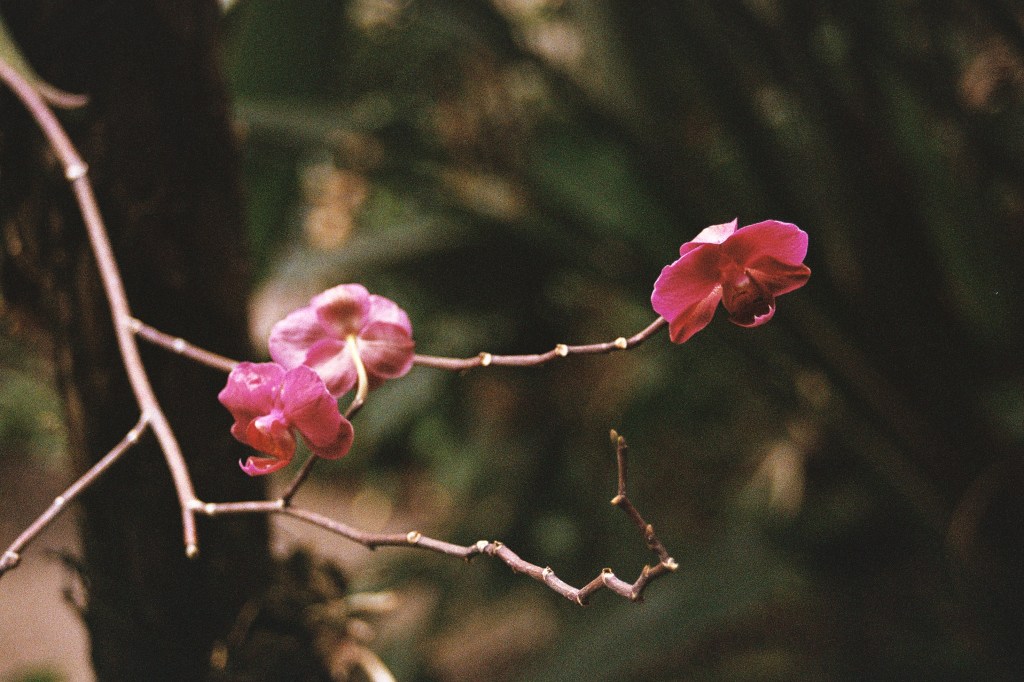
I slipped my first sheet of photo paper into the tray of chemicals and watched my image slowly fade into tangible existence. There it was. The picture I had taken by pressing a button that opened a shutter which let light touch a piece of film. It was here—really here—in the physical world. I could hold it in my hands. There was something special about the way it existed on paper instead of on a computer screen.

Until my high school photography class, all my experimentation with photography had been digital. For an elementary-age novice photographer, the benefits of a digital camera are many: its automatic settings, the instant feedback of the playback screen, and the ability to simply delete any picture that doesn’t turn out. I used my parents’ little point-and-shoot camera to take pictures of anything I thought looked interesting: flowers, sunsets, landscapes, my siblings goofing off, and our family pets. I practiced creating interesting compositions and learned that I enjoyed being a photographer.
The downsides of experimenting with only a digital camera are the same as the benefits: no need to learn how to adjust settings like aperture or shutter speed, the instant gratification of seeing an image on the digital screen, and being able to take picture after picture until I got it right since I could just delete the rest.
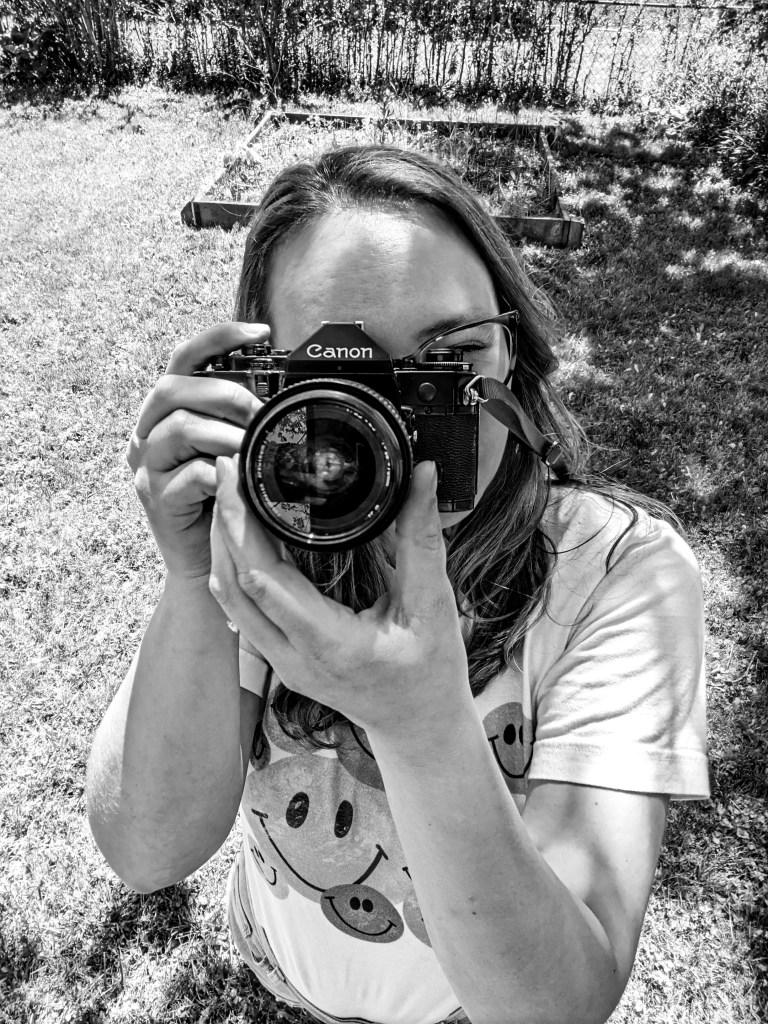
Working with black-and-white film and manual settings for the first time as a high school sophomore was a little intimidating. Learning about my camera’s settings and how they affected my final images felt tedious when all I wanted to do was take pictures. Shooting on my mom’s old Canon A-1 felt like being blindfolded in the garage of an unfamiliar house and told to find my way to the kitchen. I had to make what felt like wild guesses with only the camera’s light meter as a guide. After I pressed the shutter release button and advanced the film, there was no way of knowing for sure whether I captured the image I set out to capture—at least, not until I finished the entire roll of film and developed it in the darkroom.
I took a lot of poorly-exposed pictures. I took some decent ones, too.

After earning a minor in Digital Photography and spending a few years working with my Nikon DSLR, I was confident in my ability to use my camera’s manual settings to capture an image on purpose. In the spring of 2021, I decided to give film another try. I thought it would be a fun challenge to try shooting on film now that I knew what I was doing. I borrowed my mom’s camera—the same one I’d used for my high school photography classes. I bought a few rolls of film and took a bunch of pictures in my backyard and at the Botanical Gardens.
I was so happy with the results when I got my scans back. My images were in focus. They were properly exposed. I had done it! I had taken photos on film, and they turned out the way I wanted them to.
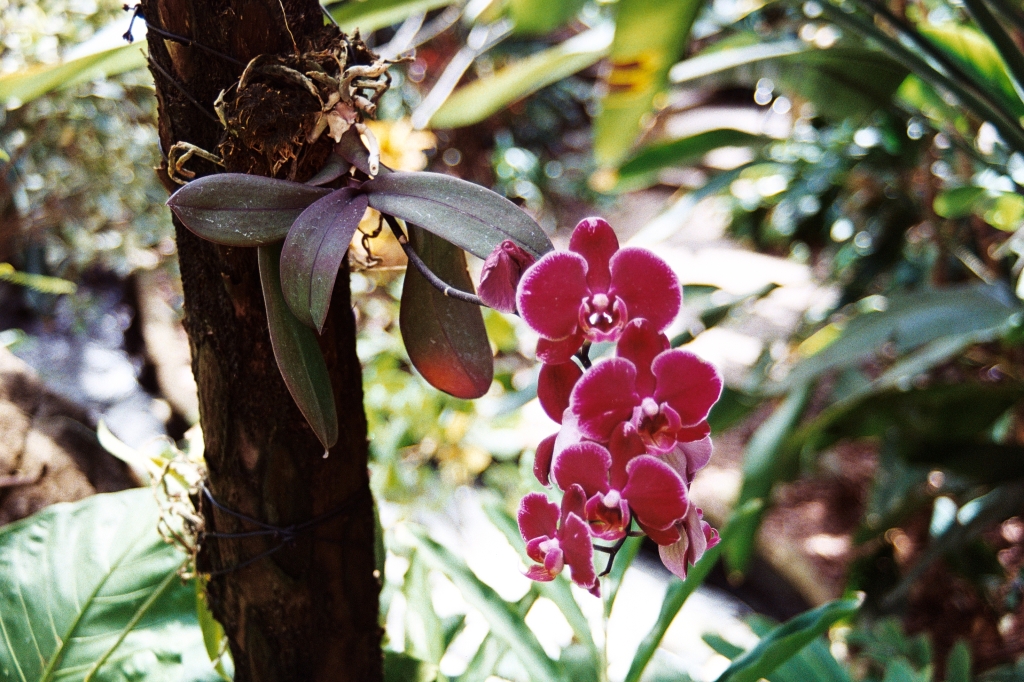
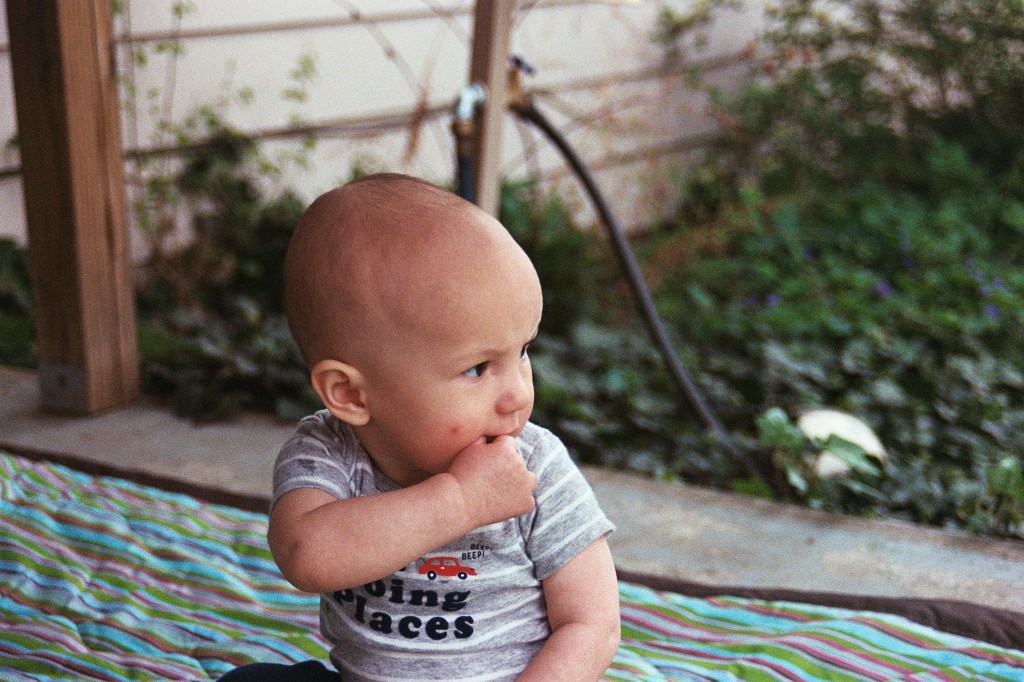
It was interesting to see my shooting style on film. It was both familiar and completely different, like hearing someone play classic rock on the saxophone. My typical editing style is bright, vibrant, and clean. Film naturally adds grain that isn’t present in my digital images. The subjects and compositions felt familiar; they were the same types of things I always photographed when I was practicing—flowers, butterflies, the cats, and my son as an adorable baby. But film is moodier and more textured than my crisp digital edits, which gave my images a completely different feel than if I had captured them with my digital camera.
I was excited that my attempts at film photography had been so successful, and I quickly blasted through two more rolls of film just to try it out some more. I was having a lot of fun, but I took a lot of mediocre shots just to use up film so I could get it developed.
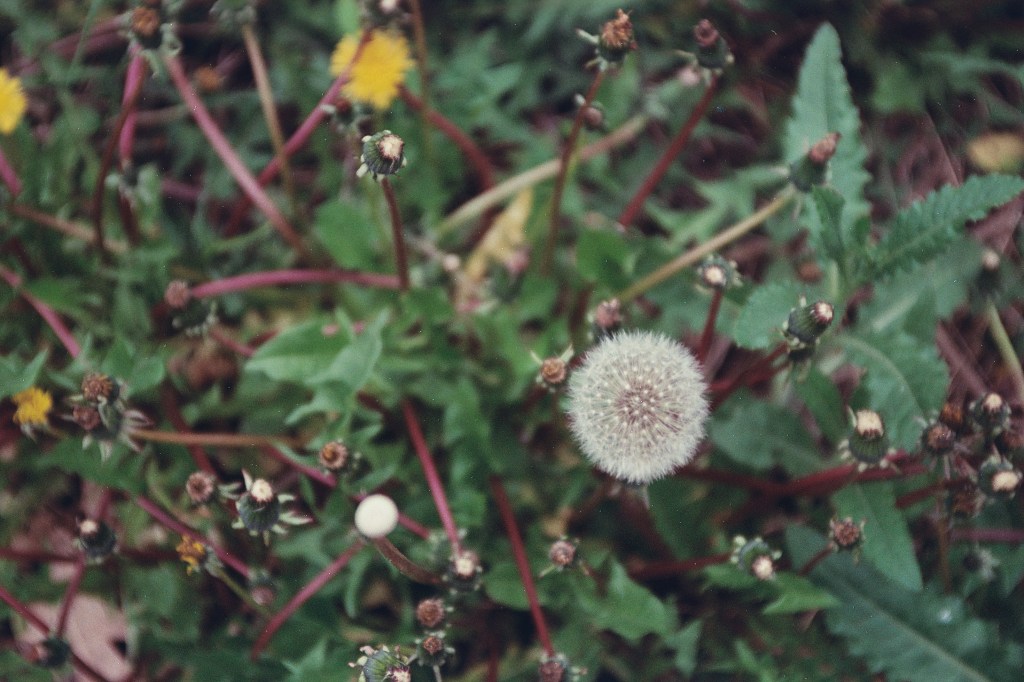
I recently came back to film (again) after being distracted by my second pregnancy and a new baby, and I’m challenging myself to be more intentional with my film photography. I want to have a plan for each roll of film and I want each picture I take to feel purposeful. No more random shots of dandelions in the yard. No more taking pictures that don’t need to be taken just so I can use up a roll of film as quickly as possible.
My current project is to take one film photo every day. Just one. It’s my way of forcing myself to slow down and really consider each image and each moment I capture.
It’s definitely a challenge to be patient since it will take just over a month to complete. I’m about two-and-a-half weeks in and I’m only halfway there. It will be a while before I get to see any of the pictures I’ve taken. It’s also a challenge to find something worth capturing every day, especially on the days that seem to blend together. I want variety (and maybe even a little creativity) in the images I take, even though that’s not the main point of the project.
I’m scheduled to take the final image in this series on June 20, if my calculations are correct. After that, I’ll send the roll to be processed. Once I get the scans back, I’ll put them all together in a photo essay. Wish me luck… and patience! And stay tuned for the final product, which will probably be live sometime in mid-July.


 The Eberblog
Leave a reply to Life in Poetry, Prose and Pictures Cancel reply